
all the cryptocurrencies
- Are all cryptocurrencies the same
- Do all cryptocurrencies use blockchain
- Are all cryptocurrencies based on blockchain
All the cryptocurrencies
As with all currencies, the value depends on supply and demand. Bitcoin has value because there are high demand and low supply. Cryptocurrencies such as Bitcoin are available in limited amounts in the same way as precious metals such as Gold https://fishbreeding.info/table-games/roulette/free-roulette/.
The very first cryptocurrency was Bitcoin. Since it is open source, it is possible for other people to use the majority of the code, make a few changes and then launch their own separate currency. Many people have done exactly this. Some of these coins are very similar to Bitcoin, with just one or two amended features (such as Litecoin), while others are very different, with varying models of security, issuance and governance. However, they all share the same moniker — every coin issued after Bitcoin is considered to be an altcoin.
The first chain to launch smart contracts was Ethereum. A smart contract enables multiple scripts to engage with each other using clearly defined rules, to execute on tasks which can become a coded form of a contract. They have revolutionized the digital asset space because they have enabled decentralized exchanges, decentralized finance, ICOs, IDOs and much more. A huge proportion of the value created and stored in cryptocurrency is enabled by smart contracts.
Cryptocurrency prices are affected by a variety of factors, including market supply and demand, news, and government regulations. For example, news about developments in a cryptocurrency’s underlying technology can affect its price, as can news about government regulations. Also, the supply and demand of a particular cryptocurrency can affect its price. Finally, market sentiment and investor confidence in a particular cryptocurrency can also play a role in its price. We cover sentiment and technical analysis for example you can check top coins : Bitcoin, Ethereum, XRP, Cardano, Dogecoin.
Are all cryptocurrencies the same
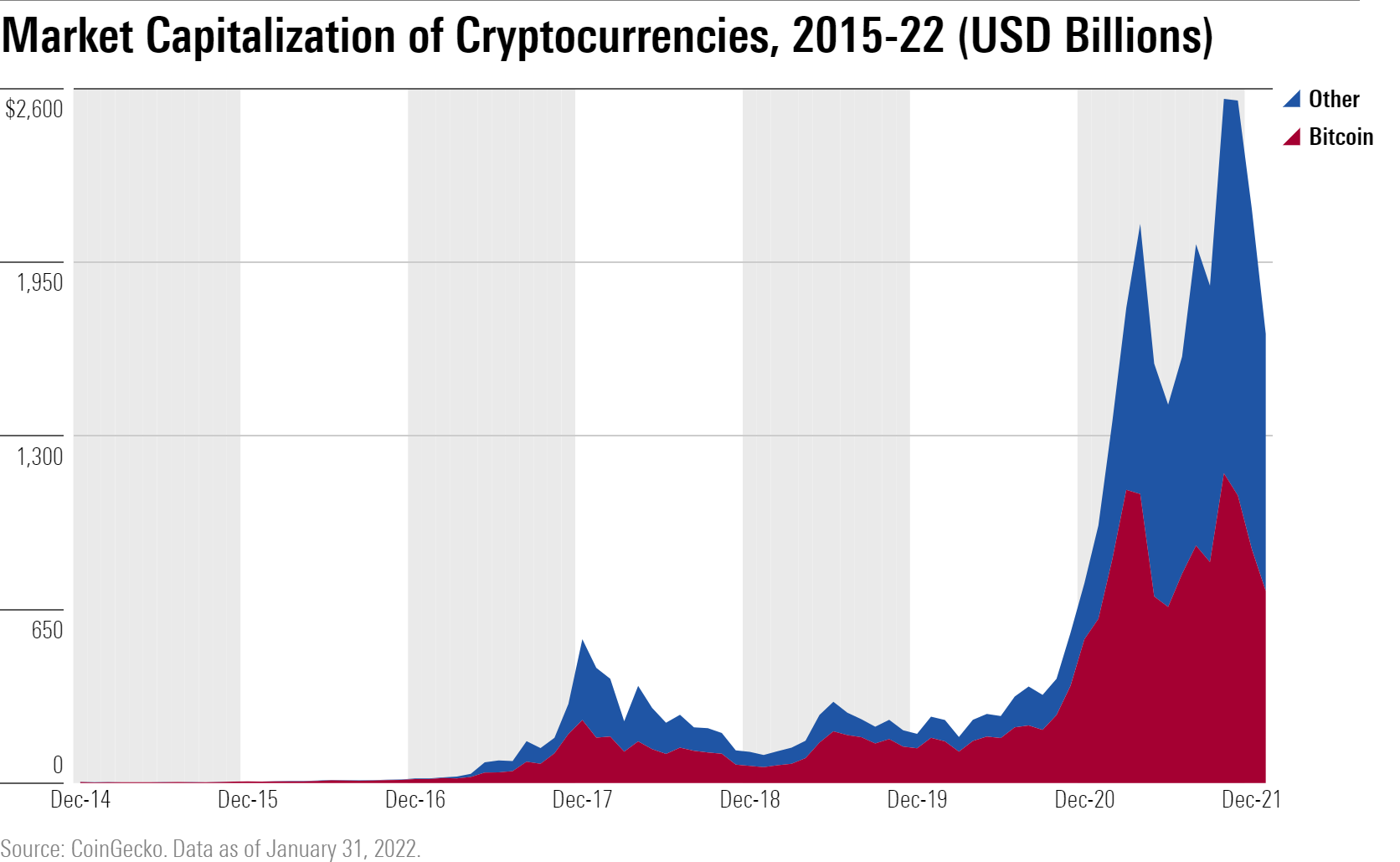
Part of the reason for the surge is the relative ease with which new cryptocurrencies can be created. The source code of one can be used to build another. For example, the Ethereum network could be used to create your own personal digital coins. Sometimes there are “forks” in the software code that change the rules about how a crypto is governed, which can lead to the creation of a new crypto. Bitcoin Cash (BCH -3.94%) was created in 2017 as a result of a Bitcoin fork allowing more transactions to be recorded on a single block of the blockchain.
Most digital currencies are created by issuing them on Ethereum or another blockchain capable of running smart contracts. The issuer must first decide how many tokens to issue, and any special rules that limit transactions or ownership. Once these choices are coded into the smart contract, the issuer pays a small amount of cryptocurrency to pay for the computational cost of issuing the tokens.
The world of cryptocurrencies is a whirlwind of innovation. New projects, trends, and even entirely new sectors of blockchain application seem to emerge constantly. Staying informed in this rapidly evolving space is essential for making smart decisions, whether as an investor, developer, or simply a curious observer. Here’s how:
As a conclusion to all the things we mentioned in this article, we can say that the crypto market has a huge potential to be even bigger in the future. All of these differences are normal and expected, and of course, it’s on us to decide if we will take a part in this or not.
All of these currencies have a lot of similarities, but at the same time, they are all different. But, what are the main differences? How can we say which currency is better than the other? Is it possible to know how all of them work? Let’s see those differences in this article:
Do all cryptocurrencies use blockchain
Public perception of blockchain and cryptocurrencies, in particular, remains uneasy. High-profile collapses of once-trusted cryptocurrency brokers, such as Mt. Gox back in 2014, or FTX in November 2022, persistence of various crypto scams, and general skepticism towards new technology and its bold promises, all contribute to ongoing public skepticism about a decentralized future. As of 2024, 44% of Americans still say they will never purchase a cryptocurrency.
These people are often paid in physical cash. They then need to store this physical cash in hidden locations in their homes or other places, incentivizing robbers or violence. While not impossible to steal, crypto makes it more difficult for would-be thieves.
Despite its promise, blockchain remains something of a niche technology. Gray sees the potential for blockchain being used in more situations but it depends on future government policies. “It remains to be seen when and if regulators like the SEC will take action. One thing is evident—the goal will be to protect markets and investors,” he says.
Some see DAGs as an alternative that combats the shortcomings of blockchain technology, but it would be false to claim that one technology is better than the other. In the world of cryptocurrency, people often try to build hype around the technology they invested in. This leads to the creation of buzzwords like “blockchain killer,” meant to portray DAGs as technologically superior to blockchain.

Public perception of blockchain and cryptocurrencies, in particular, remains uneasy. High-profile collapses of once-trusted cryptocurrency brokers, such as Mt. Gox back in 2014, or FTX in November 2022, persistence of various crypto scams, and general skepticism towards new technology and its bold promises, all contribute to ongoing public skepticism about a decentralized future. As of 2024, 44% of Americans still say they will never purchase a cryptocurrency.
These people are often paid in physical cash. They then need to store this physical cash in hidden locations in their homes or other places, incentivizing robbers or violence. While not impossible to steal, crypto makes it more difficult for would-be thieves.
Are all cryptocurrencies based on blockchain
Currently, tens of thousands of projects are looking to implement blockchains in various ways to help society other than just recording transactions—for example, as a way to vote securely in democratic elections.
These keys make it easier to complete two-party transactions. They generate a secure digital identification reference and are unique to each user. This brings us to the most important aspect of Blockchain technology. Transactions. They are authorized and managed using this identity. Because simply being able to communicate isn’t enough. You’ll also need to ensure that your communication is unaltered.
A blockchain is a decentralized ledger of all transactions across a peer-to-peer network. Using this technology, participants can confirm transactions without a need for a central clearing authority. Potential applications can include enterprise blockchain applications, sustainability, tokenization, fund transfers, supply chain tracking and many other areas.
When new data is added to the network, the majority of nodes must verify and confirm the legitimacy of the new data based on permissions or economic incentives, also known as consensus mechanisms. When a consensus is reached, a new block is created and attached to the chain. All nodes are then updated to reflect the blockchain ledger.
While blockchain may be a potential game changer, there are doubts emerging about its true business value. One major concern is that for all the idea-stage use cases, hyperbolic headlines, and billions of dollars of investments, there remain very few practical, scalable use cases of blockchain.